Selecting between an Orthopedic Surgeon and a Rheumatologist for Your Musculoskeletal Pain

Selecting between an Orthopedic Surgeon and a Rheumatologist for Your Musculoskeletal Pain: A Comprehensive Guide


Choosing between an orthopedic surgeon and a rheumatologist can be a pivotal decision when seeking treatment for musculoskeletal pain. Usually we also may need a referral from our PCP.

Understanding the differences between these specialists and the conditions they treat is essential for effective pain management and recovery. In todays blog post we’ll delve into the nuances of orthopedic surgery and rheumatology, helping you make an informed choice regarding your healthcare needs.

Orthopedic Surgeon vs. Rheumatologist: Which Specialist to Choose?
When deciding between an orthopedic surgeon and a rheumatologist, several factors come into play. Let’s explore the distinctions between these medical professionals and the conditions they specialize in treating:

Orthopedic Surgeon:
Orthopedic surgeons focus on diagnosing and treating physical ailments related to the musculoskeletal system. Consider consulting an orthopedic surgeon if you experience:

  • Pain resulting from a physical injury or trauma
  • Weight-bearing discomfort (e.g., knee pain, foot pain, during certain movements)
  • Osteoarthritis or joint degeneration
  • Persistent joint pain unresponsive to conservative treatment
  • Need for joint replacement surgeries, particularly in hips and knees

Rheumatologist:
On the other hand, rheumatologists specialize in systemic inflammatory disorders affecting the musculoskeletal system. It’s advisable to seek a rheumatologist’s expertise if you exhibit symptoms such as:

  • Joint or muscle pain accompanied by systemic manifestations like fatigue, fever, or rashes
  • Non-traumatic joint pain or stiffness
  • Pain affecting multiple joints simultaneously

Diving Deeper: Orthopedics and Rheumatology Explained
Understanding the scope of orthopedics and rheumatology provides insights into their respective areas of expertise:

Orthopedics:
Orthopedics encompasses the diagnosis and treatment of musculoskeletal conditions, including bones, muscles, ligaments, and tendons. Orthopedic surgeons specialize in:

  • Identifying structural abnormalities and injuries within the musculoskeletal system
  • Performing surgical interventions to address fractures, ligament tears, and cartilage damage
  • Providing non-surgical therapies like physical therapy, injections like cortisone, prp, stem cell, prolotherapy and medications for pain management and rehabilitation

Rheumatology:
Rheumatology focuses on diagnosing and managing rheumatic diseases, which involve systemic inflammation and immune dysfunction affecting the musculoskeletal system. Rheumatologists are adept at:

  • Conducting comprehensive evaluations and diagnostic tests to identify underlying inflammatory conditions
  • Prescribing disease-modifying medications and biologics to alleviate symptoms and prevent disease progression
  • Collaborating with other specialists, including orthopedic surgeons, for integrated care in complex cases requiring surgical intervention

Orthopedic Treatment vs. Rheumatological Management: A Comparative Analysis
The treatment modalities offered by orthopedic surgeons and rheumatologists differ based on the underlying causes of musculoskeletal pain:

Orthopedic Treatment:
Orthopedic interventions primarily target structural abnormalities and injuries within the musculoskeletal system. These may include:

  • Surgical procedures such as ACL reconstruction, joint replacement surgeries (e.g., hips, knees), and arthroscopic interventions
  • Non-surgical therapies like physical therapy, corticosteroid injections, and orthotic devices for functional support

Rheumatological Management:
Rheumatologists focus on managing systemic inflammatory conditions through targeted medical interventions. These may involve:

  • Pharmacological treatments such as disease-modifying anti-rheumatic drugs (DMARDs), biologic agents, and corticosteroids to suppress inflammation and modify disease progression
  • Multidisciplinary approaches integrating medication management, lifestyle modifications, and supportive therapies for holistic care

Making an Informed Decision: Factors to Consider
When determining whether to consult an orthopedic surgeon or a rheumatologist, consider the following factors:

Identify the Root Cause:
Evaluate whether your pain stems from a traumatic injury, structural abnormality, or underlying inflammatory condition.

Assess Additional Symptoms:
Take note of accompanying systemic symptoms such as fever, fatigue, or skin changes, which may indicate an underlying rheumatic disease.

Seek Specialized Expertise:
Choose a specialist whose skills and experience align with your specific condition and treatment needs.

Emphasize Early Intervention:
Prioritize timely evaluation and intervention to prevent disease progression and optimize treatment outcomes.


Remember choosing between an orthopedic surgeon and a rheumatologist depends on the nature of your musculoskeletal pain, underlying conditions, and treatment goals.

By understanding the roles and expertise of these specialists, you can make an informed decision to address your healthcare needs effectively. Remember, early intervention and personalized care are key to achieving optimal recovery and enhancing your quality of life.

Shining Light on Avascular Necrosis-Osteonecrosis Awareness Day: A Call for Unity

As we approach November 29, a day etched on our calendars as Avascular Necrosis-Osteonecrosis Awareness Day, the enthusiasm is palpable. Originating in states like Ohio, Pennsylvania, Iowa, Georgia, and Tennessee, and several other states this day has grown beyond its regional roots, capturing hearts and minds across the nation. A celebration of resilience, unity, and the strength of those battling this rare disease, the journey has just begun. We still have many states that have yet to recognize this awareness day.

In the spirit of reflection and progress, let’s take a closer look at what Avascular Necrosis-Osteonecrosis is and why it deserves the spotlight. Osteonecrosis occurs when the blood supply to a bone is disrupted, leading to the death of bone tissue. While it can affect anyone at any age, the rarity of this condition often results in delayed diagnosis and limited awareness.

Imagine a disease that doesn’t discriminate by age, gender, or background—a condition that can strike unexpectedly, altering lives in its wake. Avascular Necrosis-Osteonecrosis fits this description, emphasizing the importance of education and advocacy. It’s crucial to understand the pain that accompanies this condition. The affected bones, deprived of essential blood supply, lead to excruciating pain, impacting mobility and quality of life.

This awareness day isn’t just a commemoration; it’s a call to action. The commendable efforts of states like Ohio, Pennsylvania, Iowa, Georgia, and Tennessee have set the stage for a nationwide movement. Proclamations have been issued, voices have been amplified, and the journey towards recognition has begun.

As we celebrate the strides made, it’s essential to acknowledge the work that lies ahead. Advocacy is a journey, not a destination, and the goal is clear: to have all 50 states recognize and celebrate Avascular Necrosis-Osteonecrosis Awareness Day by 2024. This ambitious vision requires a collective effort.

To our esteemed congressmen, senators, and the President of the United States, we extend an invitation to join us in this noble cause. Avascular Necrosis-Osteonecrosis doesn’t discriminate based on political affiliations, and neither should our pursuit of awareness. We implore you to consider the impact of this rare disease on your constituents, urging you to champion the cause for an awareness day in every state.

It’s not a daunting task; it’s an opportunity for bipartisan collaboration, demonstrating a commitment to the health and well-being of the American people. A simple proclamation can go a long way in raising awareness, fostering empathy, and providing support to those affected by Avascular Necrosis-Osteonecrosis.

In the coming year, let’s collectively work towards making November 29 a day of national significance. Together, we can ensure that the stories of those touched by Avascular Necrosis-Osteonecrosis are heard, recognized, and celebrated from coast to coast. The journey has just begun, and with your support, we can light up the map with awareness, compassion, and unity.

Sincerely

Deb Andio

Founder

Avascular Necrosis-Osteonecrosis SuppooInt’l

http://www.avascularnecrosiseducation.com

“Like the majestic Phoenix that rises from the ashes, those of us living with Osteonecrosis are on a journey of resilience and hope. As we continue to advocate for awareness, we believe that our Awareness Day will soon shine worldwide, illuminating the path for understanding, support, and compassion. Together, our voices will soar, echoing the strength that lies within each of us.”

Osteonecrosis- and New Logo Designs More to Come.

Hey everyone! Today I want to talk about a topic that is close to my heart – osteonecrosis. Living with this rare condition can be really challenging, both physically and mentally. Osteonecrosis occurs when there is a lack of blood supply to the bone and joint, which can eventually lead to the collapse of the bone and the need for a joint replacement. It’s a tough journey, but remember, you’re not alone.

There are various underlying causes for osteonecrosis, including trauma to the bone or joint, blood clotting disorders, autoimmune conditions, cancer treatments like radiation and chemotherapy, as well as certain diseases like vasculitis, lupus, HIV, and sickle cell anemia. Lifestyle factors such as smoking and excessive drinking can also contribute to the development of osteonecrosis. Additionally, the chronic use of corticosteroids is a known cause for many individuals.

However, it’s crucial to note that not everyone who experiences these factors will develop osteonecrosis. Each person’s journey with this condition is unique, and it’s important not to blame ourselves or feel guilty for something that may be beyond our control.

But here’s the thing – we need better treatment options for osteonecrosis. Having access to alternative medications like platelet-rich plasma (PRP) therapy can make a significant difference in managing this condition and potentially preventing the need for joint replacements. PRP therapy involves using a concentrated form of a patient’s own blood to promote healing and regeneration in the affected area.

Unfortunately, insurance companies often don’t cover PRP therapy or other alternative treatments for osteonecrosis. This makes it challenging for individuals to explore all available options to manage their condition effectively. We need to raise awareness about the importance of these treatments and advocate for insurance coverage, ensuring that everyone has access to the best possible care.

So, let’s come together and spread awareness about osteonecrosis. Share your experiences and knowledge, support one another, and join the fight for better treatment options. Together, we can make a difference in the lives of those living with this condition. Don’t forget to use the hashtags #OsteonecrosisAwareness and #JointHealthMatters to amplify our message.

Remember, everyone’s journey is unique, but together we can make a difference. Let’s continue to spread awareness and support one another in this fight against osteonecrosis. Stay strong, warriors! 💪🙌

The Guardian

I’m excited to share with you one of the new logo designs for Osteonecrosis awareness! Introducing “The Guardian” – a symbol of strength, protection, and unity in the fight against this rare condition.

The logo features a bold and powerful image of a guardian angel with outstretched wings, symbolizing the support and protection we offer to those affected by osteonecrosis. The angel is seen holding a bone, representing the importance of bone health and the need to raise awareness about this condition.

The color palette chosen for the logo reflects the resilience and determination of individuals living with osteonecrosis. Shades of blue and purple evoke a sense of calmness, hope, and empowerment, while the green is for life and the touch of gold -white adds a touch of elegance and sophistication.

The Guardian logo aims to capture attention and spark curiosity, encouraging individuals to learn more about osteonecrosis and become advocates for better treatment options and insurance coverage. By using this logo, we are creating a unified and recognizable symbol that can be shared across social media platforms, websites, and events, creating a sense of community and solidarity.

As an influencer, it’s essential for me to use my platform to spread awareness and support those affected by osteonecrosis. I encourage you all to join me in using the hashtag #GuardianOfBoneHealth when sharing posts related to this condition and the new logo. Let’s come together and make a positive impact in the lives of individuals battling osteonecrosis.

Stay strong and keep fighting, warriors! 💙💜💚

Logo 2 The Multi-Phoenix

Also is

The phoenix is a powerful symbol of transformation and resilience, which aligns perfectly with the journey of those living with osteonecrosis. By incorporating the phoenix logo into our social media posts, we can further emphasize the strength and determination of individuals battling this condition.

Let’s use the hashtag #RisingStrong to accompany posts featuring the phoenix logo. Together, we can inspire hope and encourage others to rise above challenges and embrace their own inner strength.

If you’re interested in using the phoenix logo on your social media platforms, feel free to reach out to me for the high-resolution image. Let’s continue raising awareness and supporting one another in this journey of resilience.

Stay powerful, warriors! 🔥💪

Update

I maybe combining this site to my main blog at https://chronicallygratefuldebla.com/ now called joint-purpose.com

Please join me over there as I am hoping to have the transition completed by December31,2023

Lots of content to move. Check out Joint -Purpose.com and my Faith Blog www.joyful-echoes.com

Thanks

Deb

Join my new Clubhouse Room

All things arthritis

Since late stage Osteonecrosis leads to severe osteoarthritis I feel they are under the same umbrella although different in some ways and the same in other ways.

Link to join The Clubhouse New spot

https://www.clubhouse.com/room/wg5c5DG1G8iDl6pVd:EBeGc6yiEqlOHOXuTQYzP18p7uhtKpCBSkfvsgL7w-U?utm_medium=ch_room_pt&utm_campaign=YEvlhG2P4LoHYqbG1UhgLw-488396

Poor Diet and Being Overweight doesn’t help Osteonecrosis

I lived for 20 years with osteoarthritis but nothing was as scary and painful as my Osteonecrosis diagnosis. I gained a lot of weight because I. Oils no longer work and I won’t lie I stuffed myself with food to comfort myself. I went up to 293 lbs. I can’t believe I let myself get that big. Something had to change because I was too fat for a joint replacement and honestly I didn’t want one. So I had to do something, so I changed the way I ate I noticed a great improvement. People thought I was crazy but I had less pain.

I didn’t quit everything cold Turkey. I did stop smoking cold Turkey best decision I ever made.

I added more plants raw and cooked and lessened the meat intake. I started out having meatless Monday Wednesday and Friday soon it was meatless Saturday also.

I cut out 85% of all the crackers and cheese puffs all the stuff that we love but know it’s not real food. When I wanted chips I made a baked potato or a baked sweet potato. When I wanted chips and dip I made my own bean dip and hummus and dipped peppers, celery and sometimes a few crackers. I wasn’t perfect but I really began eating to live not living to eat.

My cholesterol dropped to fantastic numbers I went from total cholesterol of 210 to a total of 172 in a matter of months then down to 158. My good cholesterol went from 38 to 60. So I was on the right path. It wasn’t easy, it still isn’t easy because let’s face it junk food is every place. My next post I will post about how to eat healthy at fast food restaurants and yummy food fast that’s healthy!!

I became a flexitarian meaning I ate mostly plant based and once a week ate chicken and fish. Backed or grilled .

Good bye to greasy fried food, I also cut out 80 percent of processed junk .

Stopped all cola and sugary drinks I never was much of a pop drinker.

Many thought this was crazy and would not do much. But it did.

Then in 2019 there was a study that also confirmed similar findings .

I got off blood pressure medication and my bones didn’t feel like a tourniquet around them.

I also with the ok if my Ortho started taking Cureamed curcumin 375 1-2 times a day for 2 weeks then just once a day. It seemed to help my pain and thinned my blood some. So if you take blood thinners don’t just try this.

Always talk to your doctor before doing anything new.

Fast forward to 2022 thank God still no joint replacement (knee)

Below is some info on poor diet and obesity is not good for Osteonecrosis. Actually obesity and poor diet cause our body to have more inflammation and that gives us more pain. And can lead to many things.

So see a nutritionist get your diet in check and if you are a compulsive overeater go to some OA meetings , see a counselor what ever it takes to reclaim your health.

I lost about 95 lbs regained 16 during covid lock down. But back on track in May 2022 I am hoping by May 2023 I am at goal weight of 145 -150 lbs. it’s not easy and the older I get ( soon to be 60) the harder it is to lose especially when you have bone and joint issues.

But trying and still no joint replacement.

If you have a problem with food like binge eating, or just an unhealthy relationship with it check out https://oa.org/

See link on study below.

Click to access 1100002678220.pdf

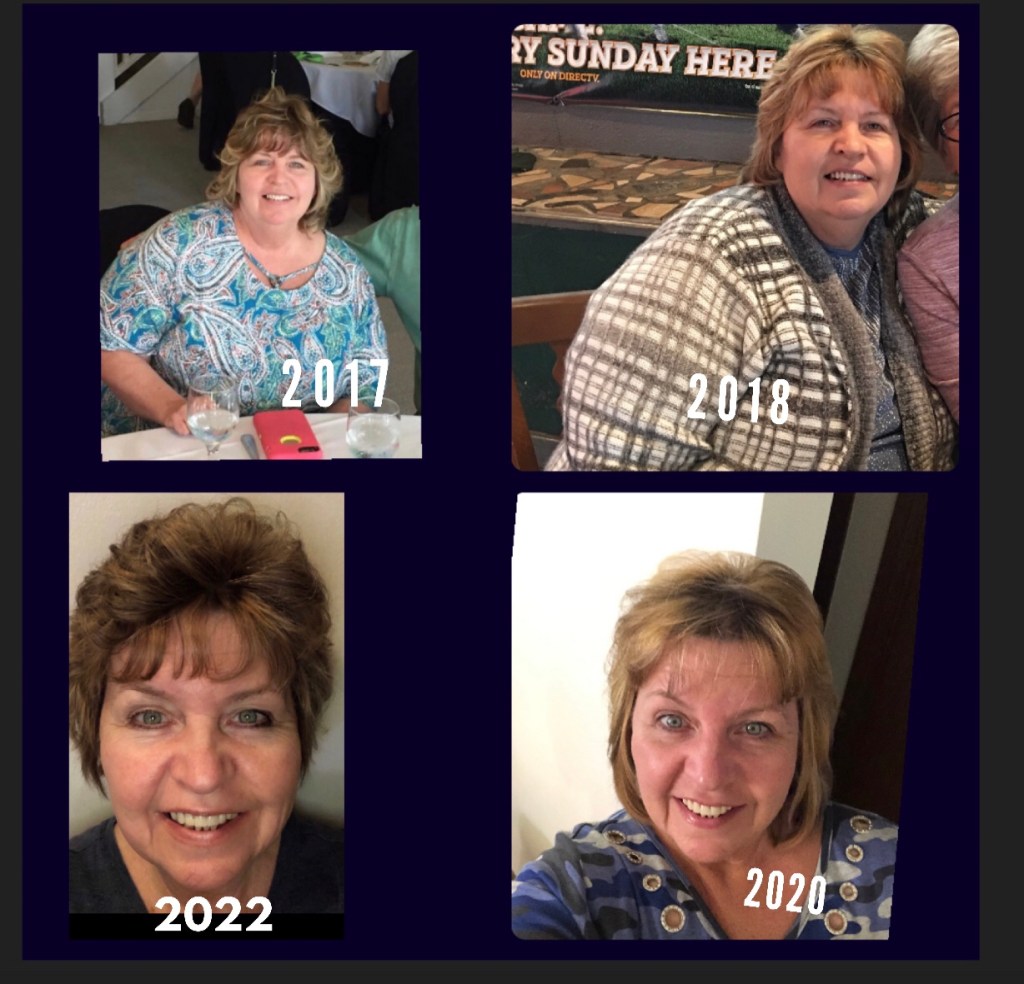
5 years of pics

Avascular Necrosis-Osteonecrosis Awareness Day 2021

Hard to believe another awareness day has arrived.

It’s been a struggle and challenge to get all 50 states to issue a proclamation: but being persistent is becoming rewarding. We now have about 1/2 the USA on board as 29 November being AVN-ON

To all those living with Osteonecrosis like myself, know I will not give up until every state has issued the proclamation.

We live with pain and uncertainty every day. But I assure you I will not give up until it’s recognized in every state.

Happy AVN-ON Awareness Day.

Wish you all a pain free day

Be on the lookout !!!!Instagram Scammers Stealing your info or Hackers taking your account.

With online scams reaching epidemic proportions, Instagram is just the latest channel for fraudsters to make a quick buck. With over 1 billion active…

Instagram Scammers Stealing your info or Hackers taking your account.

Osteonecrosis and Organ transplant

Osteonecrosis is a well-recognized complication associated with organ transplantation.

It is a pathological condition characterized by the death of the cellular constituents of bone and marrow. The process of aseptic bone necrosis is associated with glucocorticoid use, and the mechanism by which glucocorticoids initiate the pathologic process has recently been elucidated.

Rates are particularly high in patients with systemic lupus erythematosus. The incidence of osteonecrosis also increases in patients on dialysis.

The exact prevalence of osteonecrosis after organ transplantation is, however, difficult to assess as many cases are clinically silent.

The most common symptom of osteonecrosis is hip pain that is usually deep in nature, localized to the groin with occasional radiation down the thigh to the knee.

Symptoms are usually exacerbated by physical activity and weight bearing and relieved by rest. In the late stages of osteonecrosis, pain is often present at rest, and patients may develop a limp, as they are no longer able to bear weight on the affected joint.

Osteonecrosis affecting the bone beneath a weight-bearing joint surface is associated with a significant risk of developing a subarticular fracture, which appears to initiate the symptoms.

Optimizing the dose of glucocorticoids has led to a significant reduction in the incidence of osteonecrosis post-transplantation. Substituting these agents entirely with calcineurin inhibitors may decrease this complication of the transplantation process even further. Early diagnosis using magnetic resonance imaging is essential for the success of available surgical interventions

Reference: https://www.sciencedirect.com/science/article/pii/B9780121835026500213

https://online.boneandjoint.org.uk/doi/full/10.1302/0301-620x.89b12.19400?journalCode=bjj&

http://www0.sun.ac.za/aotc/general/renal/renal.php